How Roto-Rooter Is Using AI to Help Its Team Work Smarter
When people think about industries embracing artificial intelligence, plumbing probably isn't the first one that comes to mind.
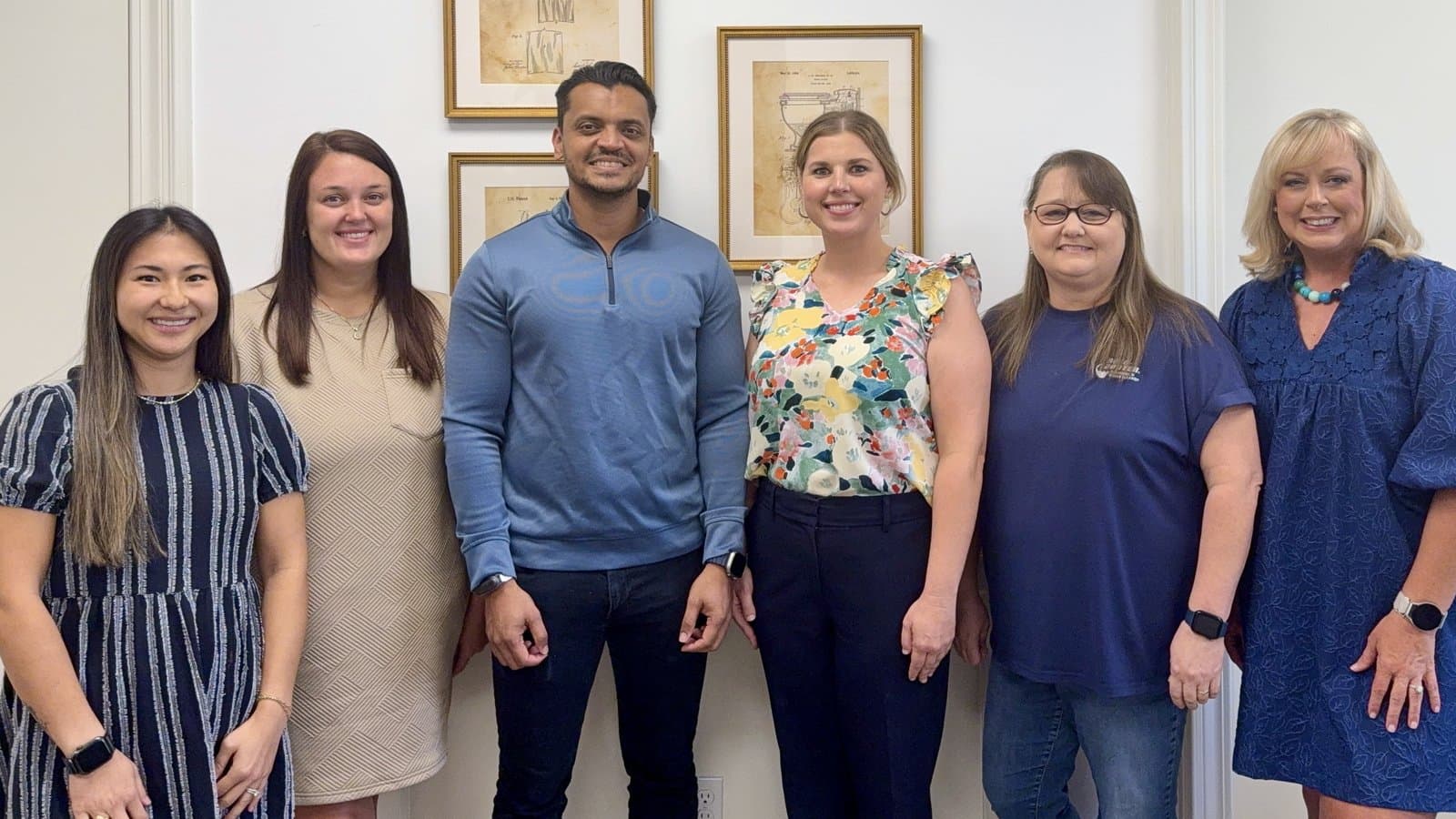
That is one of the reasons we were excited to work with the team at Roto-Rooter Plumbing & Water Cleanup in Mobile.
Roto-Rooter is a third-generation, family-owned and locally operated company with decades of experience serving its community. And while the work they do is rooted in a traditional trade, their leadership team is taking a very modern approach to how they support their employees.
Their goal with AI was never to replace people. It was to give their people better tools.
Starting With the Work Their Team Actually Does
Roto-Rooter's office team manages a lot. Customer communication, dispatching, accounts receivable, reporting, marketing, safety and compliance, accounting processes and countless other responsibilities all happen behind the scenes to keep a service company running.
Like most businesses, some of that work requires experience, judgment, problem-solving and relationships. Other parts involve repetitive steps, manual reporting, moving information between systems or completing administrative tasks that take time away from higher-value work.
That's where Roto-Rooter saw an opportunity. Instead of approaching AI by asking, "How can we replace something we're currently doing?" their approach was much more practical:
"How can we make this easier for our employees?" That became the foundation for the training.
Hands-On Training With Real Work
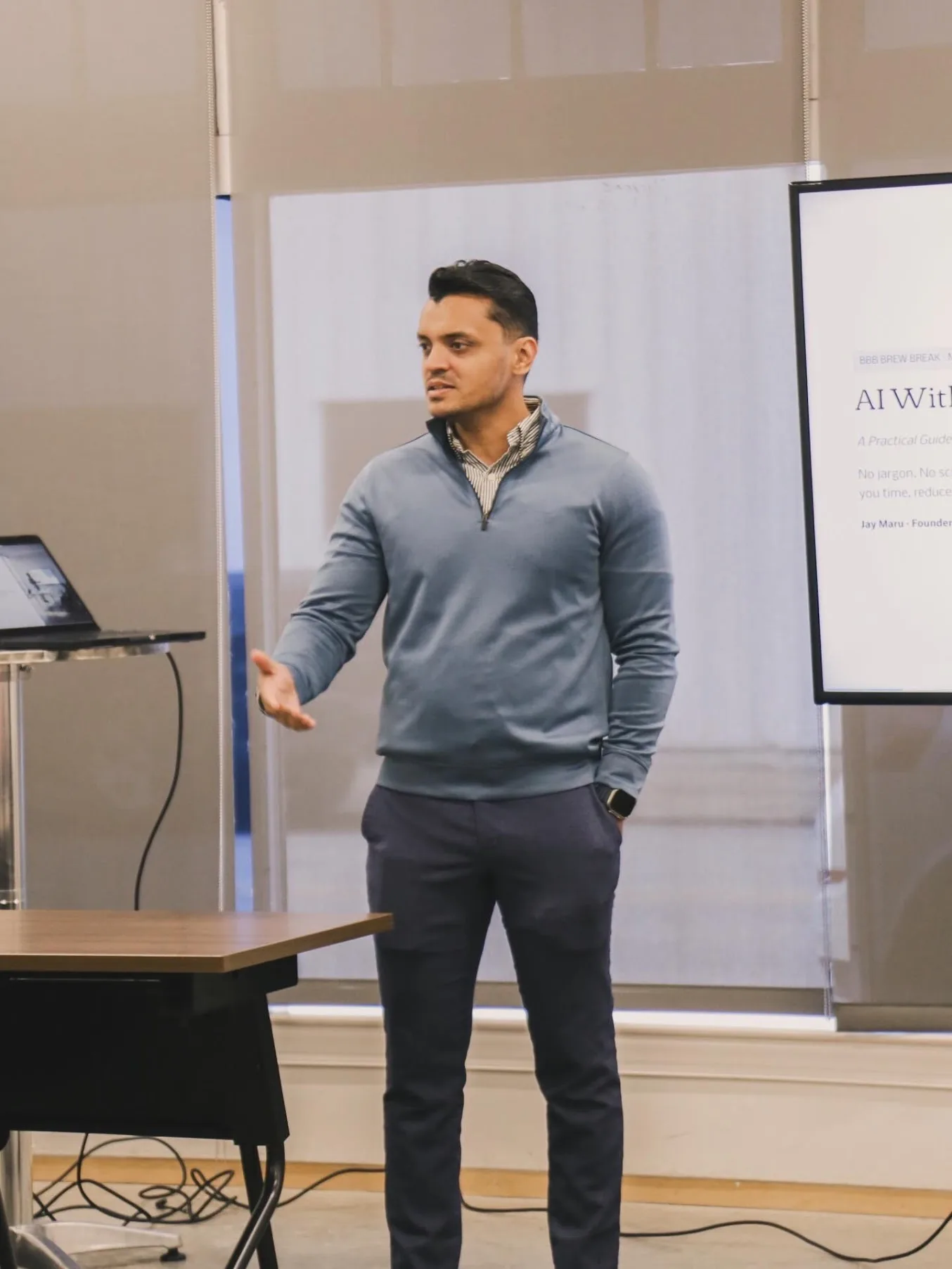
We worked with Roto-Rooter's office team through two hands-on AI training sessions. These weren't sessions built around hypothetical examples or demonstrations of what AI might be able to do someday. Their employees worked at their own computers on responsibilities they actually handle every day.
Together, we explored ways Claude could assist with tasks like daily reporting, customer review responses, reconciliation preparation, accounts receivable processes, marketing content and other role-specific workflows.
The team even gave their Claude account a name: Tammy, with a Y. Tammy quickly became part of the office vocabulary, but Roto-Rooter's leadership has been very intentional about what that means.
AI isn't another employee. It's a tool their employees can use.
By the end of the training, members of the team had begun building practical ways to use AI within their own responsibilities rather than simply learning how to ask it questions.
The Goal Isn't Fewer Employees. It's More Capacity.
One of the things that stood out to us throughout the process was how clear Roto-Rooter's leadership was about its philosophy. They aren't looking at AI as a way to reduce headcount. They're looking at it as a way to reduce unnecessary workload.
If an employee can spend less time manually compiling a report, moving data between systems or working through repetitive administrative steps, that creates more capacity for work that actually needs that person's experience and attention. That may mean having more time to take care of a customer. It may mean being able to concentrate on a large project.
It may mean giving an employee the opportunity to take on additional responsibilities without simply adding more work to an already full plate.
As Hannah Frederic, COO, explained during our conversations, the company sees technology as another way to give its employees the tools they need to succeed. That people-first approach has been central to the entire project.
AI Should Support the Human Side of Business
Roto-Rooter has been serving customers for generations.
Technology may change, but the importance of relationships doesn't. Customers still need knowledgeable people answering the phone. Employees still need to use judgment, communicate with one another, solve problems and make decisions.
No AI tool can replace the experience of a team that understands its customers and its business. What AI can do is help with some of the work happening in the background so employees can spend more of their time on the responsibilities that require a human being. That distinction matters. The goal isn't automation for the sake of automation. It's identifying the places where technology can genuinely make someone's job easier and then implementing it in a way that supports the employee rather than replacing them.
A Traditional Trade Willing to Try Something New
One of our favorite things about working with the Roto-Rooter team has been their willingness to experiment. They aren't pretending to have AI completely figured out; very few businesses do.
Instead, they're learning where it makes sense, testing real applications and helping employees understand how to use these tools responsibly in their individual roles. That may be one of the most important lessons other service businesses can take from their experience. You don't have to completely reinvent your company to begin using AI.
You can start by looking at the work your employees already do and asking a simple question:
Could technology help them do this more efficiently?
For Roto-Rooter, that answer has increasingly been yes. And their experience is a good example of what AI adoption can look like in the trades when the goal isn't replacing people.
It's helping good people do their jobs even better.
If you're curious what this could look like in your own business, that's exactly what we do at Beyond AI. We work with companies across the Gulf Coast to deliver hands-on AI training built around your team's real roles and real tools. Learn more or reserve a seat at one of our public trainings at beyondtraining.ai.